

Gluten-Free Korean Beef Bulgogi
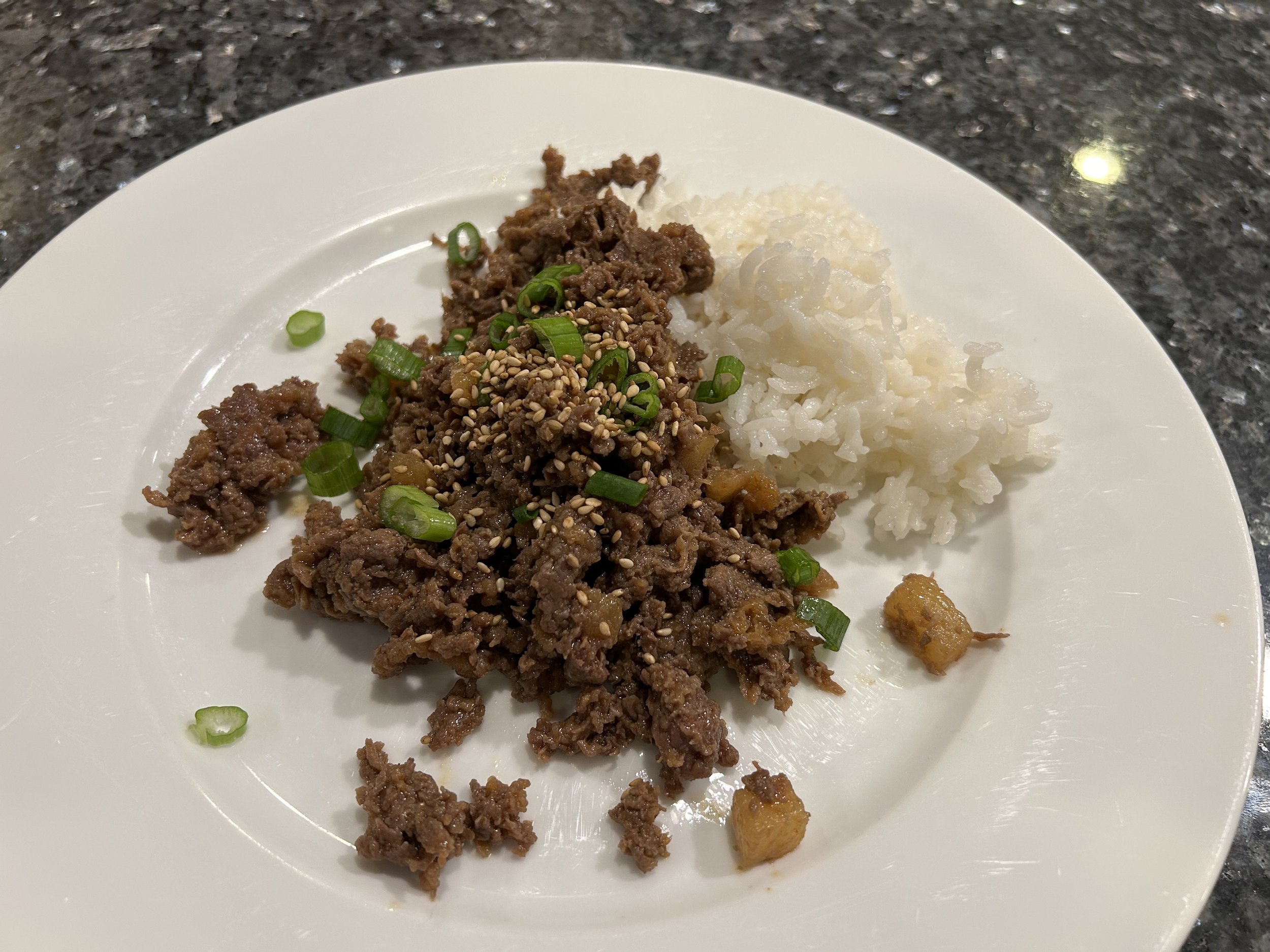
This Korean Beef Bulgogi is packed with savory, sweet, and slightly spicy flavors. Thinly shaved rib-eye steak soaks up a flavorful marinade made with gluten-free tamari, pear, brown sugar, sesame oil, garlic, ginger, and gochujang. Cook it in batches in a skillet, then serve it over sticky white rice with sliced green onions and toasted sesame seeds.
I like to take shortcuts where I can, so I buy shaved rib-eye instead of slicing a whole steak myself. And because my non-celiac daughter is vegetarian, I also make a version with Beyond Beef so we can enjoy the same Korean-inspired flavors at the same meal.
Why You'll Love This Recipe
- Big flavor: Sweet pear, savory tamari, sesame, garlic, ginger, and Korean chili paste.
- A practical shortcut: Shaved rib-eye is ready to marinate and cook.
- Simple skillet cooking: Cook the beef in batches until browned.
- Easy to customize: Adjust the heat with the amount of gochujang you use.
- A vegetarian option: Make a separate version with Beyond Beef.
Ingredients
Beef and Marinade
- 1½ pounds shaved rib-eye steak
- 1 pear, peeled and chopped
- ¼ cup gluten-free tamari
- 2 tablespoons light brown sugar
- 2 tablespoons gluten-free sesame oil
- 3 cloves garlic, minced (if using jarred minced garlic, verify that it is gluten-free)
- 1 tablespoon freshly grated ginger
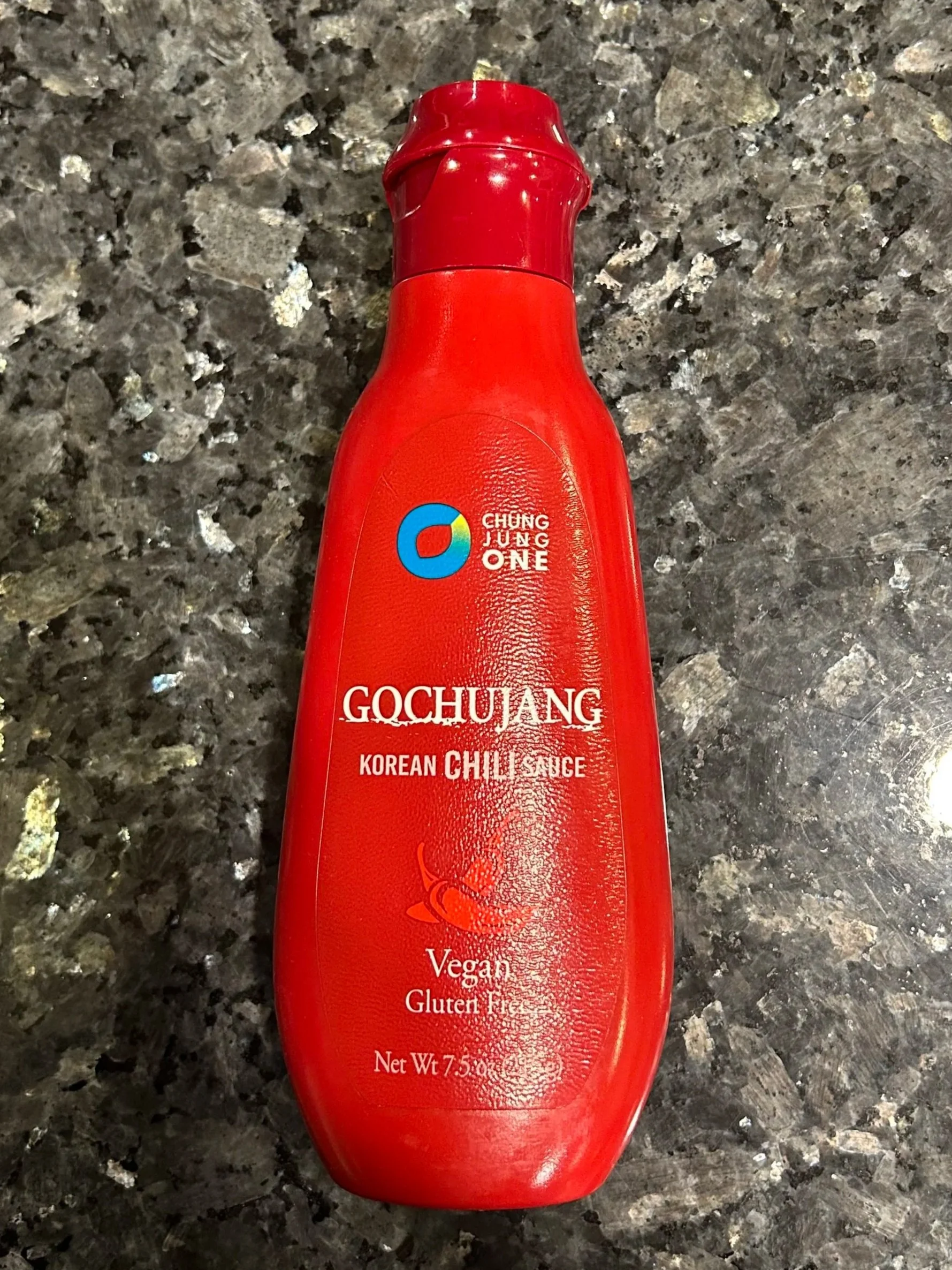
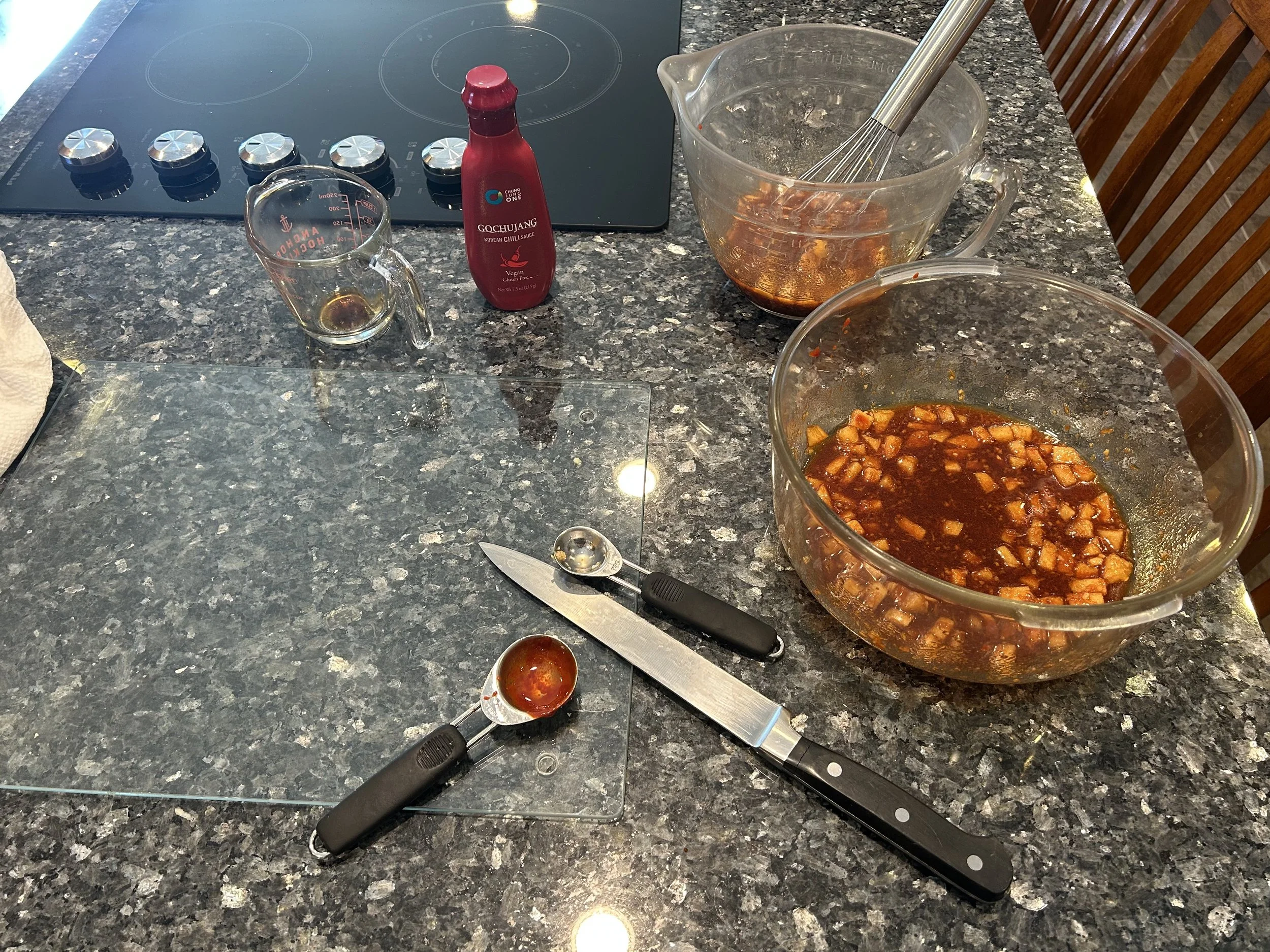
- 1 tablespoon gluten-free gochujang (Korean chili paste)
For Cooking and Garnishing
- 2 tablespoons vegetable oil, divided, for cooking the beef in batches
- 2 green onions, thinly sliced
- 1 tablespoon toasted sesame seeds (I use Morton & Bassett because the product I buy is labeled gluten-free)
For Serving
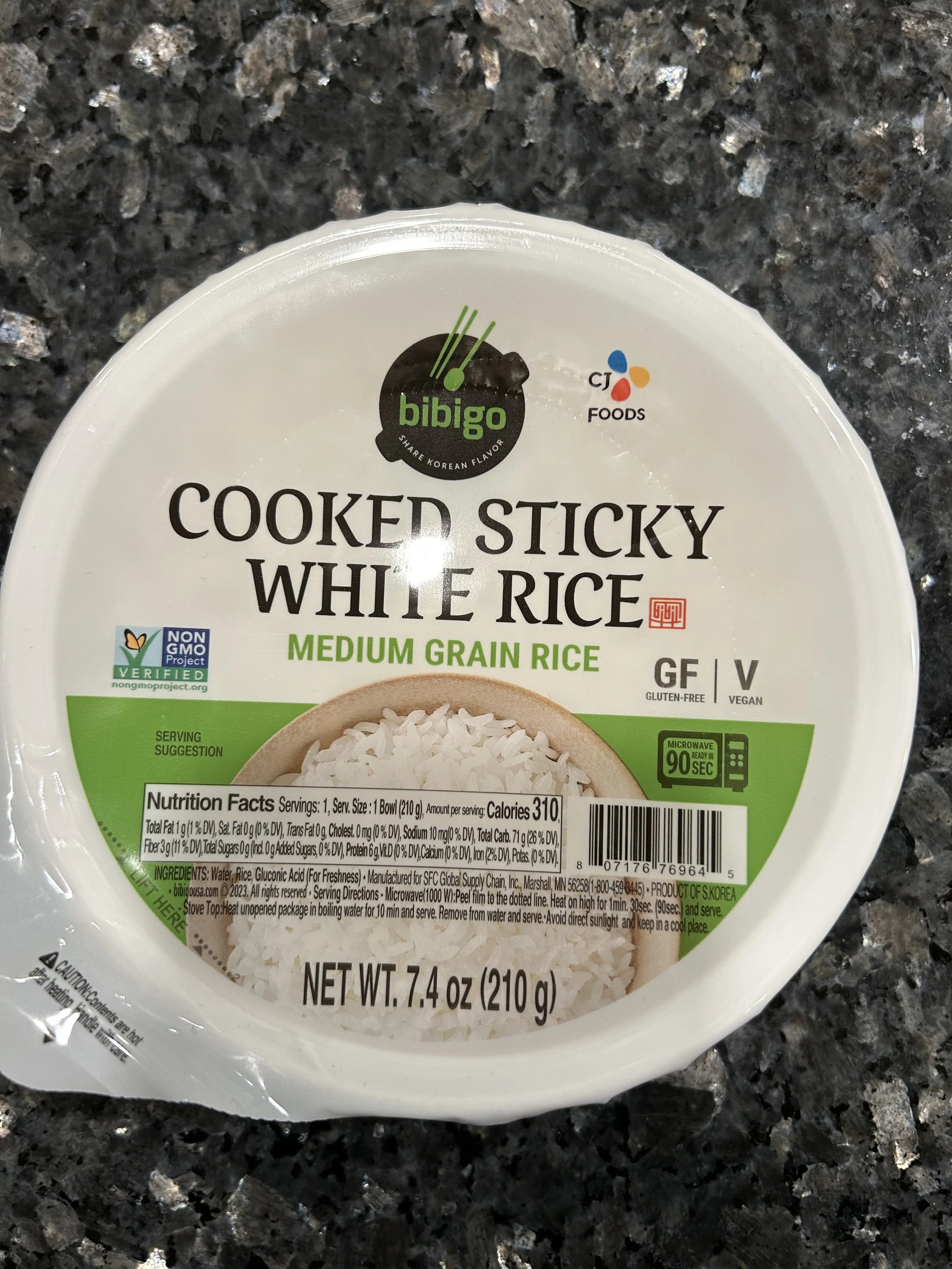
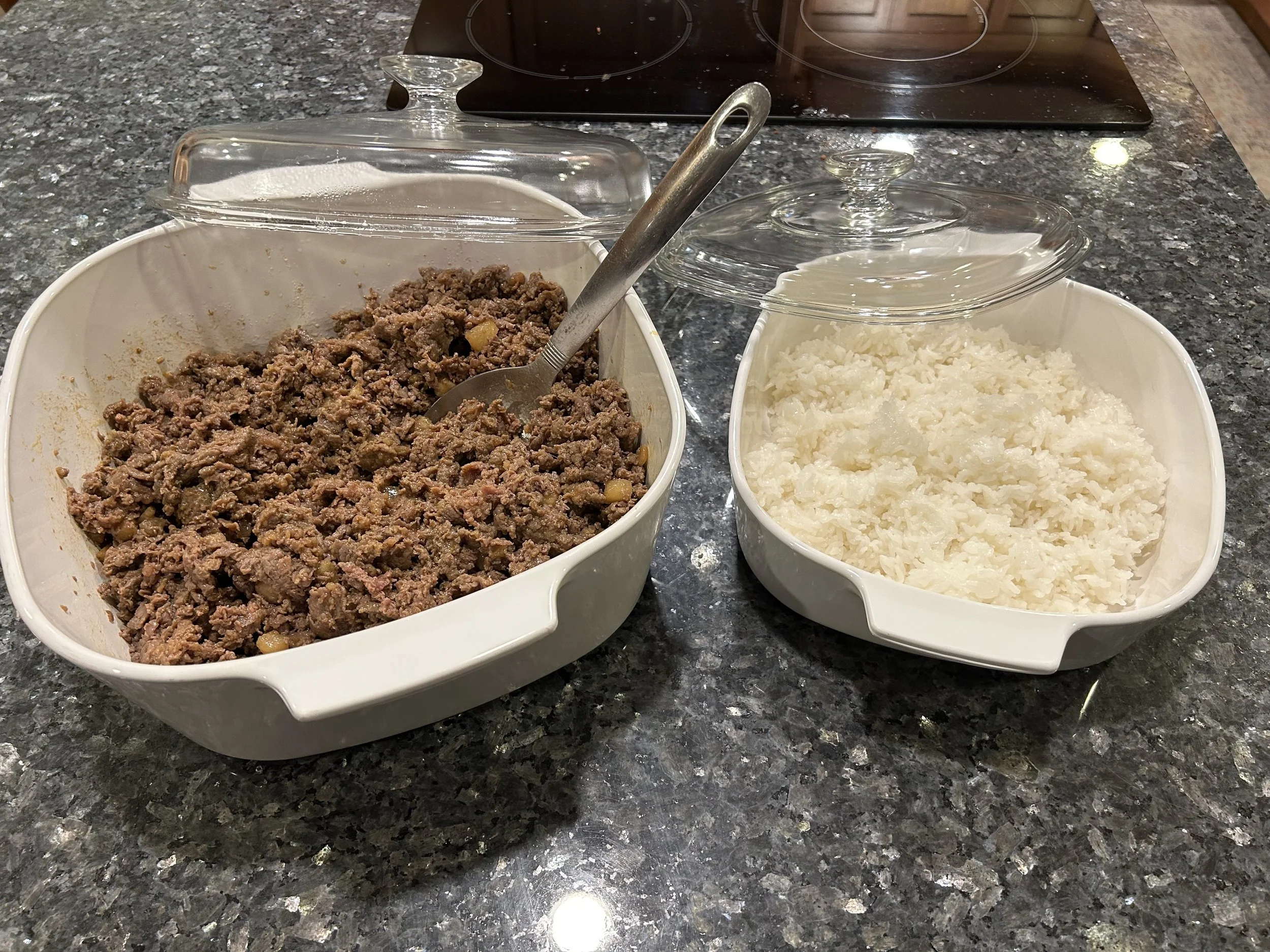
- Cooked sticky white rice, such as Bibigo Cooked Sticky White Rice or your own sticky rice if you have a rice cooker
Instructions
1. Prepare the Marinade
- Peel and chop the pear.
- In a bowl, combine the pear, gluten-free tamari, brown sugar, sesame oil, minced garlic, freshly grated ginger, and gochujang.
- Stir until the ingredients are well combined.
2. Marinate the Beef
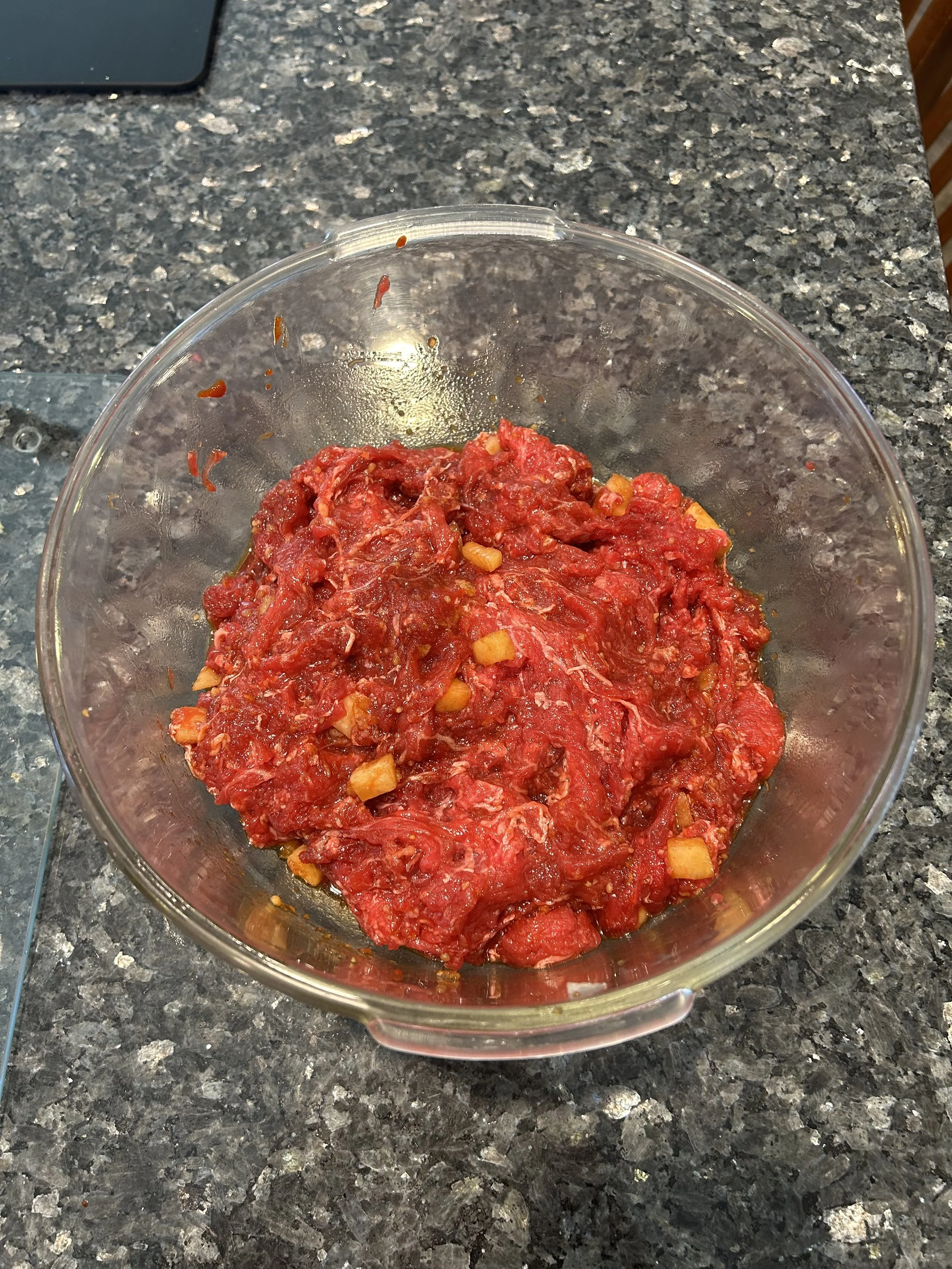
- Place the shaved rib-eye in a large resealable bag.
- Pour the marinade over the beef and seal the bag.
- Gently massage the bag to distribute the marinade over the meat.
- Refrigerate for at least 2 hours.
A Shortcut for the Beef
I buy shaved rib-eye steak, which saves me the step of slicing the meat myself. If you're buying a whole rib-eye steak instead, wrap it and place it in the freezer for about 30 minutes to firm it up. This makes it easier to slice thinly for bulgogi.
3. Cook the Beef
- Heat some of the vegetable oil in a large skillet over medium-high heat.
- Add a portion of the marinated beef to the skillet.
- Don't crowd the skillet. Cook the beef in batches, adding more oil as needed, until all the meat is browned.
- Transfer each batch to a serving dish and repeat with the remaining beef.
4. Garnish and Serve
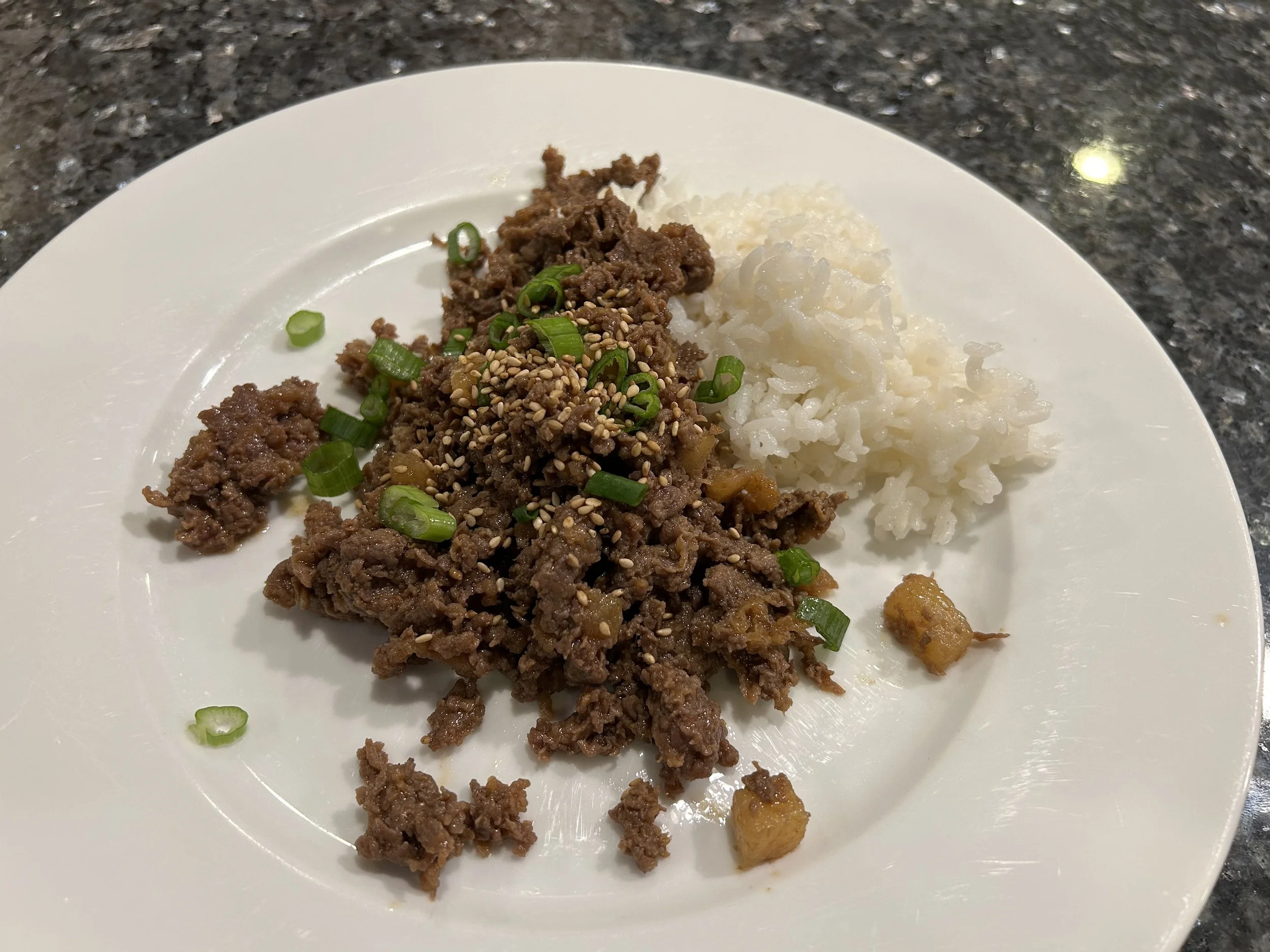
- Sprinkle the cooked beef with thinly sliced green onions and toasted sesame seeds.
- Serve over warm sticky white rice.
Make It Vegetarian, Too!
In my family, my non-celiac daughter is vegetarian, so I make this recipe with Beyond Beef for her. Beyond Beef is a convenient plant-based option for enjoying similar Korean-inspired flavors alongside the traditional beef bulgogi.
Prepare a separate batch of marinade and use a separate bowl and clean utensils for the vegetarian version. Cook the Beyond Beef separately from the rib-eye, following the package directions. Check the current product labels for Beyond Beef and all marinade ingredients, and take care to prevent cross-contamination during preparation and cooking.
This way, everyone can enjoy dinner together while choosing the version that suits them.
Gluten-Free Tips
When cooking for someone with celiac disease, choosing gluten-free ingredients and preventing cross-contamination are both important.
- Use gluten-free tamari: Regular soy sauce often contains wheat. Choose tamari specifically labeled gluten-free.
- Check the gochujang: Some varieties contain wheat or other gluten ingredients. I sometimes find a gluten-free version at the grocery store; otherwise, I order one online. Always check the current package label.
- Check jarred garlic: Fresh garlic is a simple option. If using jarred minced garlic, verify that it is gluten-free.
- Check sesame oil and sesame seeds: Use products whose labels meet your gluten-free requirements. I prefer the Morton & Bassett sesame seeds because they are labeled gluten-free.
- Prevent cross-contamination: Use clean utensils, bowls, cookware, and preparation surfaces. Keep ingredients away from crumbs and other sources of gluten.
- Check every label: Product formulations and manufacturing practices can change, so verify products each time you shop.
Serving Suggestions
Serve the bulgogi over sticky white rice and finish with sliced green onions and toasted sesame seeds.
You can also serve it with your favorite gluten-free vegetables or other Korean-inspired side dishes, checking each ingredient for gluten and preventing cross-contamination.
Frequently Asked Questions
Is traditional bulgogi gluten-free?
Not always. Many marinades use soy sauce that contains wheat. This version uses gluten-free tamari and calls for gluten-free gochujang and other verified ingredients.
Can I use a whole rib-eye steak instead of shaved beef?
Yes. Wrap the steak and freeze it for about 30 minutes to firm it up, then slice it thinly before marinating.
How long should the beef marinate?
Refrigerate the beef in the marinade for at least 2 hours so it has time to absorb the flavorsbut overnight is preferred.
Can I make a vegetarian version?
Yes. I use Beyond Beef for my vegetarian daughter. Prepare and cook it separately from the rib-eye, and take care to prevent cross-contamination.
Recipe by GlutenFreeGoodFood.com